Start here
What is an economy, really?
Strip away the jargon and an economy is simply everything we produce, buy and sell. The farmer grows cocoa, the miner digs gold, the trader sells cloth, the bank lends money, the lawyer drafts a contract. Add up the value of all of it and you have the size of the economy.
How we earn
Gold, cocoa and oil pay most of the bills
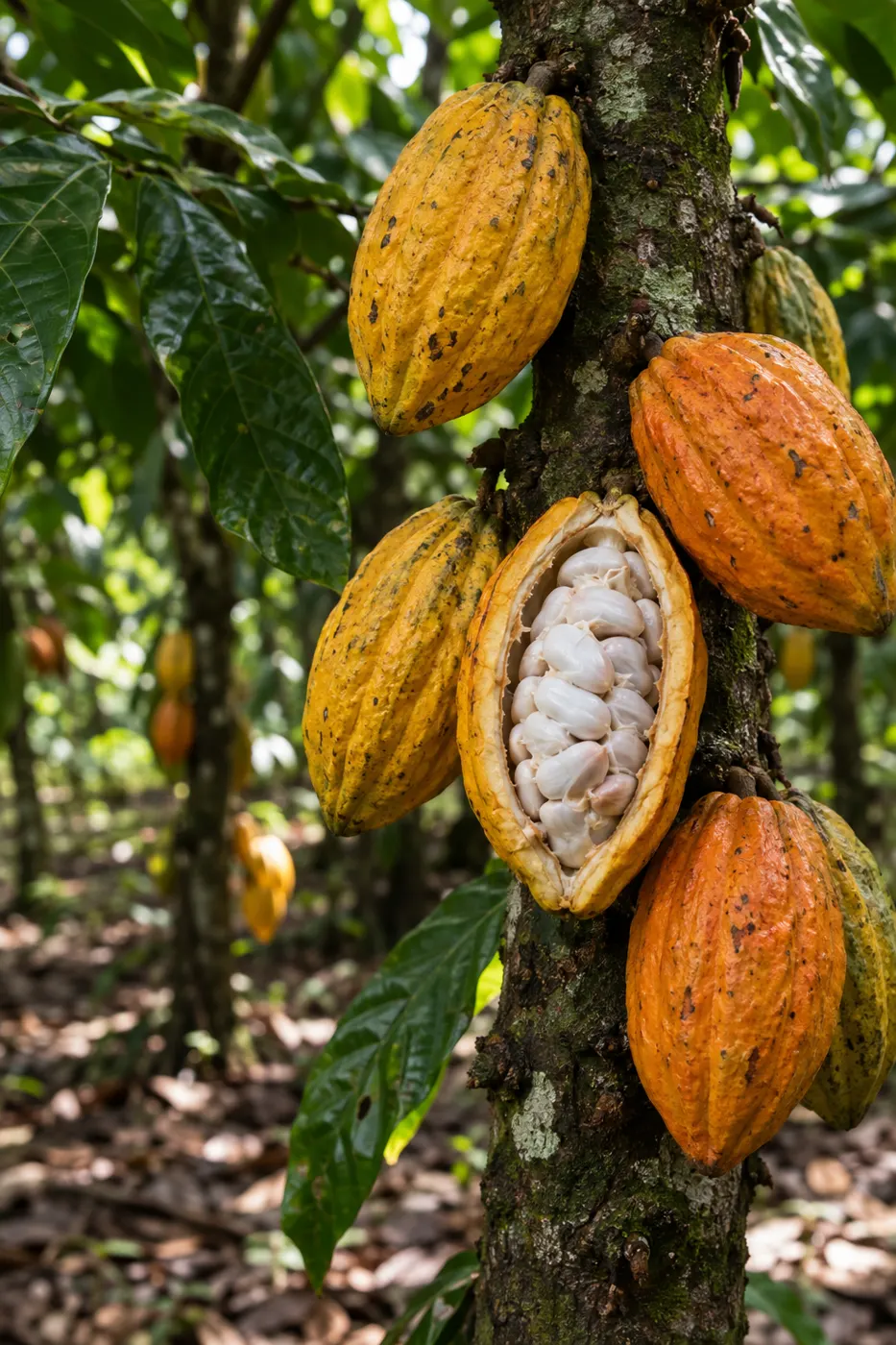
In 2025, Ghana exported goods worth GH¢401.5 billion. Gold brought in GH¢252.4 billion, cocoa beans and cocoa products GH¢56.2 billion, and crude oil and other fuels GH¢35.3 billion. Together, these three made up nearly 86% of everything we sold abroad.6
Gold's dominance is new. Its share of exports rose from 38.5% in 2004 to 63.1% in 2025, and gold earned US$20.2 billion last year, more than cocoa and oil combined.7 The Ghana Statistical Service has warned that this exposes the country to a fall in world gold prices, and recommends adding more value to gold and cocoa at home and growing non-traditional exports.7
Who we trade with
Asia has replaced Europe as our main customer
Twenty years ago, Europe bought about half of what Ghana exported. In 2025, Asia took 50.1% of our exports and Europe 26.8%. Asia also supplies 48.4% of our imports.7 China is our largest single source of imports, while Nigeria is our largest African supplier, mainly of petroleum products.6
We sold more than we bought: a trade surplus of GH¢148.3 billion (about US$11.5 billion) in 2025, including a GH¢34.7 billion surplus with other African countries. Ghana exported to 163 countries.67
Growth
Services and digital businesses are leading the way
The economy grew by 6.0% in the second quarter of 2026, a little slower than the 6.6% of a year earlier.13 Services grew by 8% and accounted for 57.6% of all growth. The information and communication (ICT) sector jumped by 30.9%, and oil and gas output rebounded by 22.4% after shrinking the year before.8 Excluding oil, growth was 5.4%.3 The IMF expects growth of 5.7% for 2026 as a whole.9
Prices and money
Inflation is low, but creeping up
Inflation was 5.5% in October 2026, up from 5.2% in September and the third monthly rise in a row. That is still well below the 8.0% of October 2025.2
The detail matters. Food inflation fell to 2.8%, but non-food inflation rose to 7.9%, driven by transport (14.1%) and services. Ashanti had the highest regional rate at 9.7%, while prices in the Northern Region were slightly lower than a year earlier.2
The Bank of Ghana aims to keep inflation within a band of 6% to 10% (8% plus or minus 2). It kept its policy rate at 14.0% in September and expects inflation to move back up into the band over the coming quarters. Its next decision is due on 18 November 2026.3
Crisis and recovery
From default to recovery in under four years
In 2022, Ghana could no longer afford to keep paying its debts on the original terms. On 19 December 2022, the government suspended payments on selected external debts so that it could restructure them.11
In May 2023, the IMF approved a 39-month programme. By its end in July 2026, it had provided about US$3 billion. Over the same period, gross reserves nearly doubled to US$11.9 billion by the end of 2025, and the IMF's measure of public debt fell from 70.1% of GDP in 2024 to a preliminary 48.8% for 2026.10 In October 2026, Moody's upgraded Ghana's credit rating to B3, and Fitch now rates Ghana B with a positive outlook.4
Ghana is now in a 36-month IMF programme called a Policy Coordination Instrument. On 5 November 2026, IMF staff and the government reached agreement on its first review. The IMF praised strong growth and low inflation, but warned that foreign reserves had fallen in recent months.9
Coming up
What to watch next
- 12 November: Finance Minister Dr Cassiel Ato Forson presents the 2027 Budget, titled "The New Economy", to Parliament.12
- 18 November: the Bank of Ghana announces its next policy rate decision.3
- Commodity prices: in September 2026, gold averaged US$4,327.6 an ounce, while Brent crude averaged US$102.1 a barrel, up 15.9% in a month.4 Higher oil prices raise our fuel import bill and transport costs.
- Cocoa: farmers are paid GH¢42,400 per tonne (GH¢2,650 per 64 kg bag) for the 2026/27 season, up from GH¢41,392.13